A CLEANER, HAPPIER HOME
Simple Ideas for a Cleaner, More Organized Home
Practical cleaning, organization, plant care, decor and simple DIY tips to help you create a comfortable, beautiful home you’ll love.
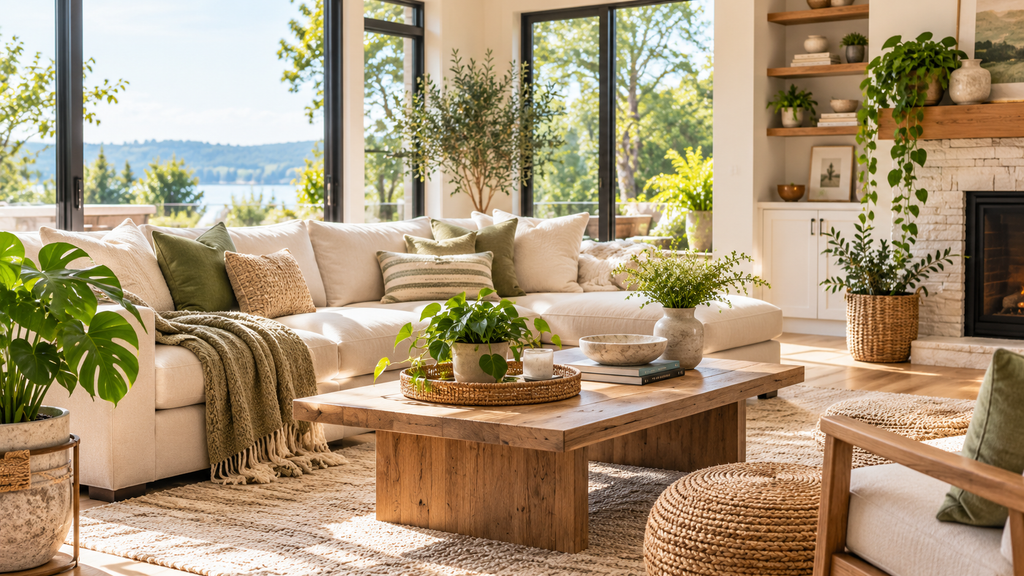
Cleaning
Tips for a fresher home
Organization
Declutter and simplify
Indoor Plants
Greener, healthier spaces
Home Care
Keep your home in top shape
Home Decor
Stylish ideas for every room
Simple DIY
Easy projects for everyone
Latest Home & Garden Guides
-
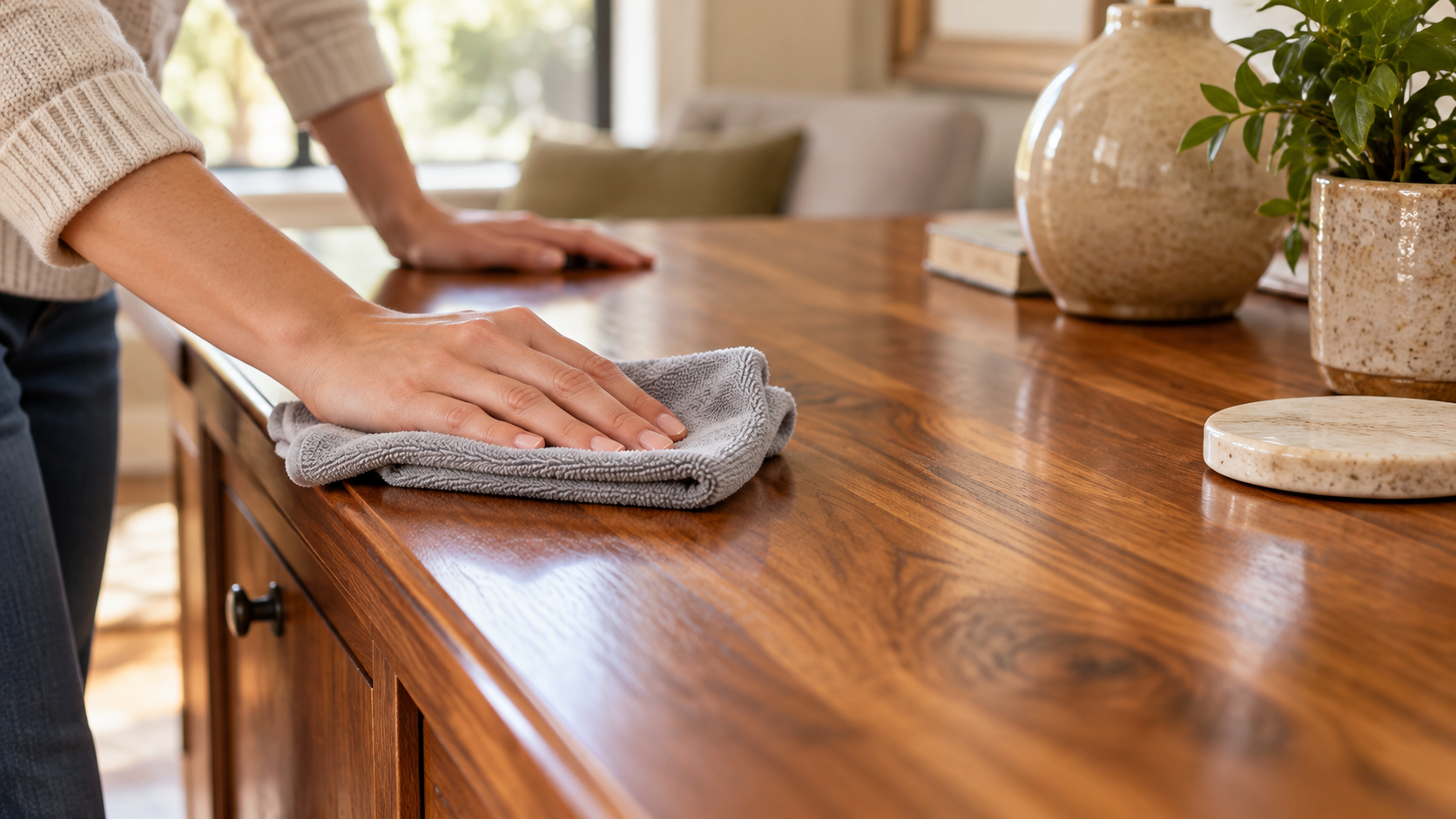
How to Keep Wooden Furniture Looking Good for Longer
Wooden furniture can make a home feel warmer, more natural and more inviting. Tables, cabinets, shelves and dressers can also last for many years when they are cleaned and cared for properly. The good news is that everyday wood care does not need to be complicated. A few simple habits can help reduce scratches, water…
-
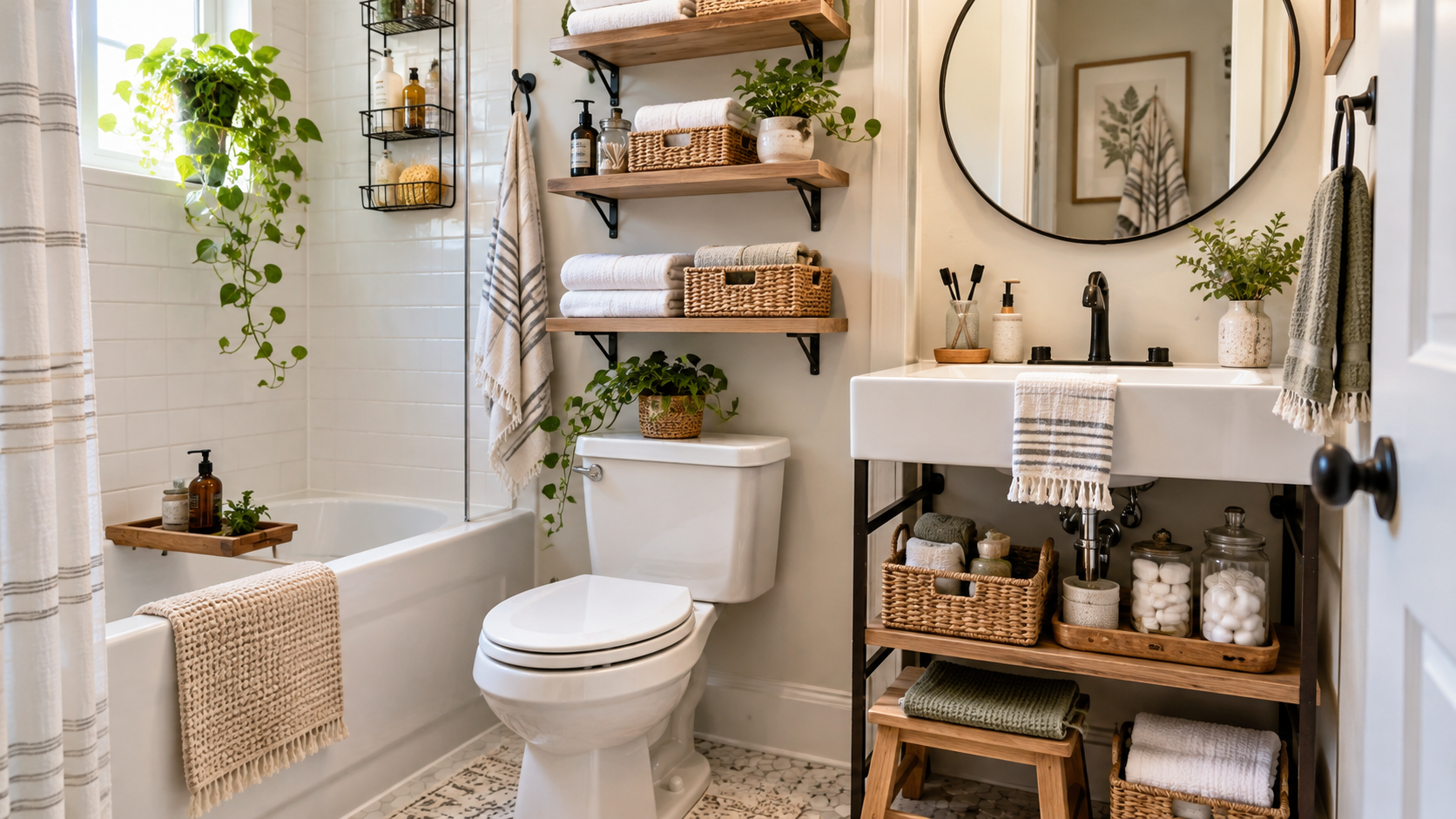
How to Organize a Small Bathroom Without Adding More Cabinets
A small bathroom can quickly feel crowded when towels, toiletries, cleaning products and everyday essentials do not have a clear place. The good news is that you do not always need to install new cabinets or buy large storage furniture to make the room more organized. With a few simple changes, you can use the…
-
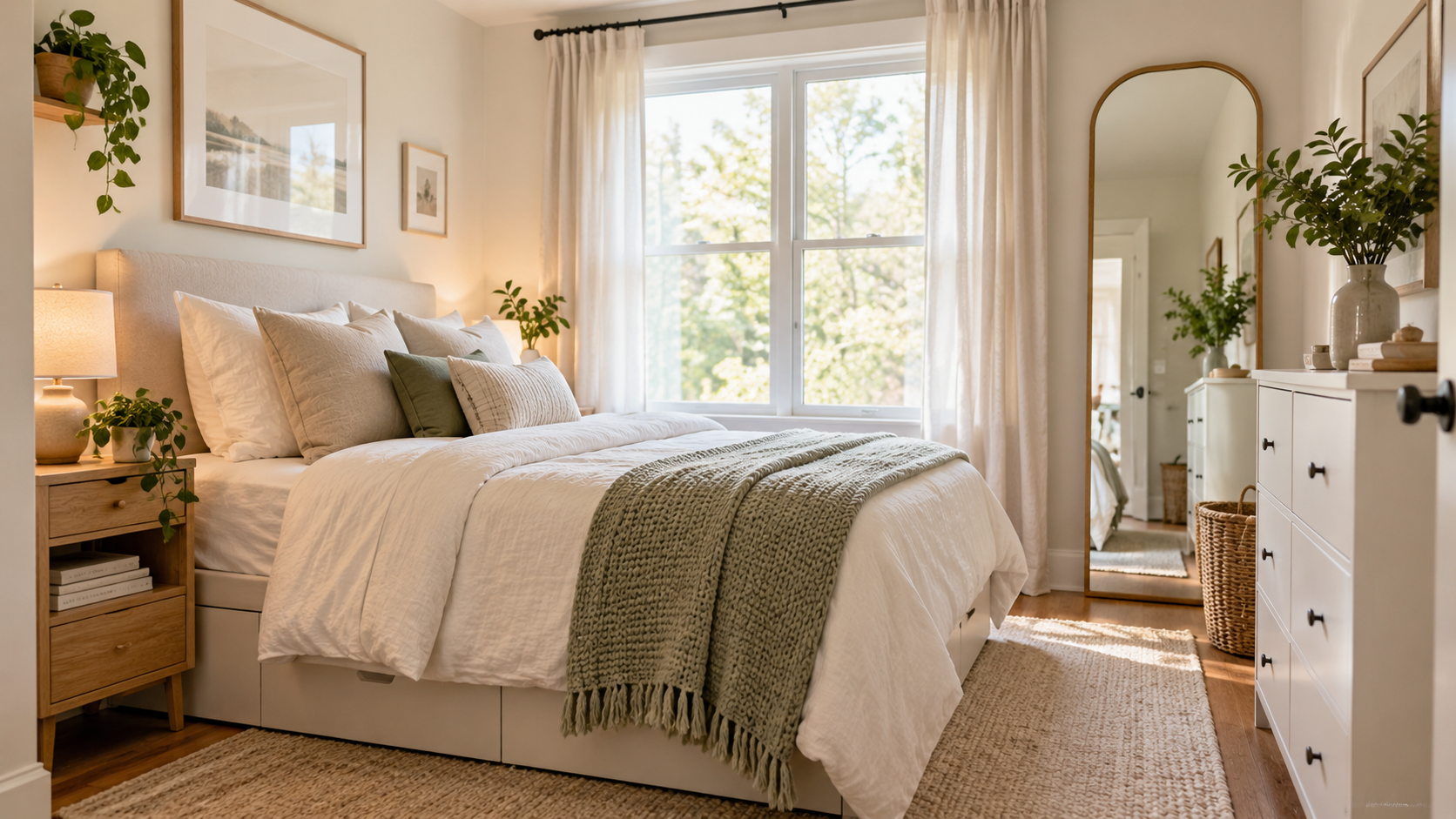
How to Make a Small Bedroom Feel Bigger
A small bedroom can still feel comfortable, calm and stylish. The key is not necessarily adding more furniture or decoration, but making better use of the space you already have. With thoughtful furniture placement, lighter colors, practical storage and a few visual tricks, even a compact bedroom can feel more open and easier to use.…
-
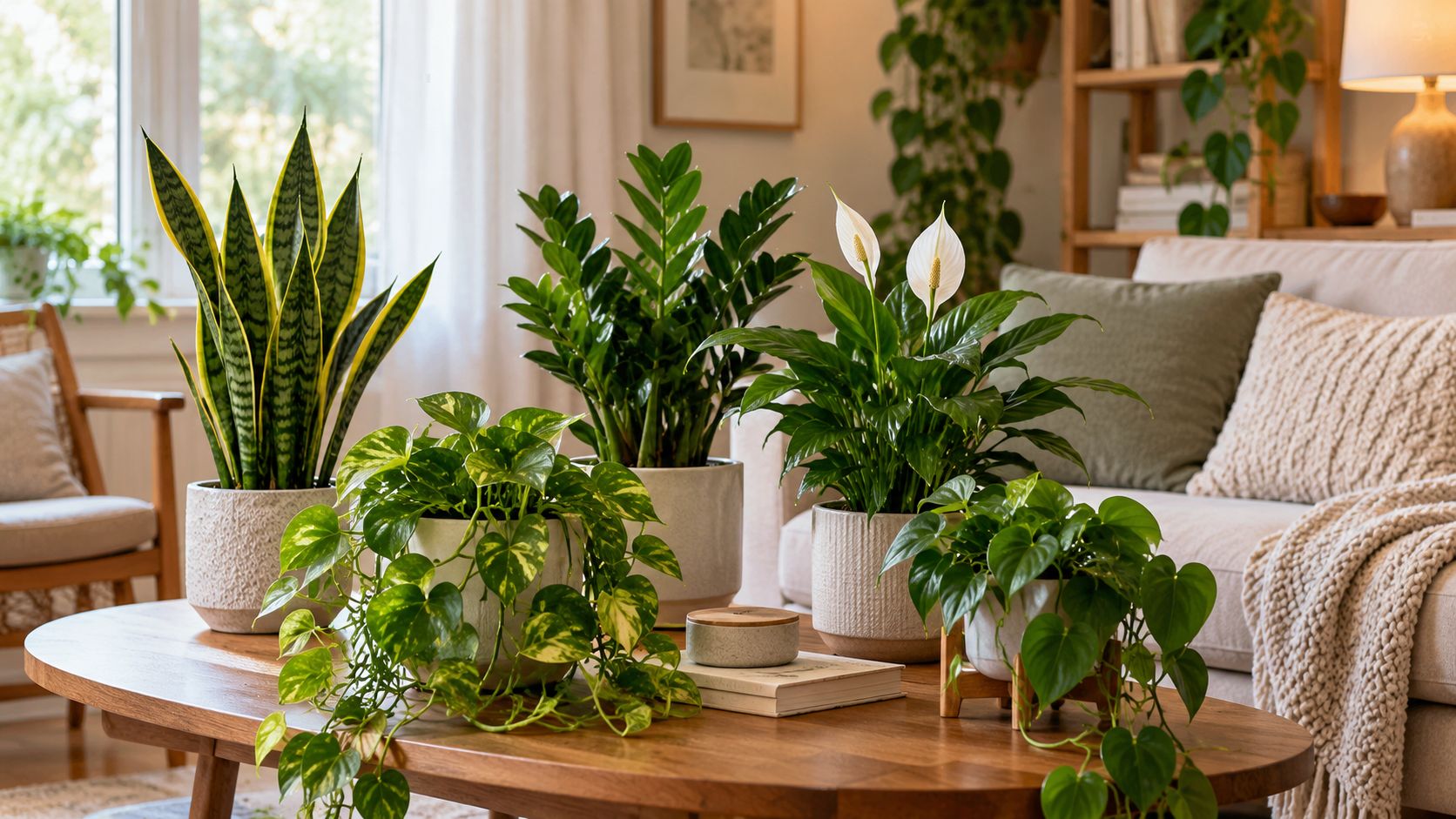
Best Low-Light Indoor Plants for Beginners
Indoor plants can bring life, color and a calmer atmosphere into a home, but not every room gets strong natural light. The good news is that some houseplants can still do well in spaces with lower light levels, making them a practical choice for beginners. If you are new to plant care, choosing the right…
-
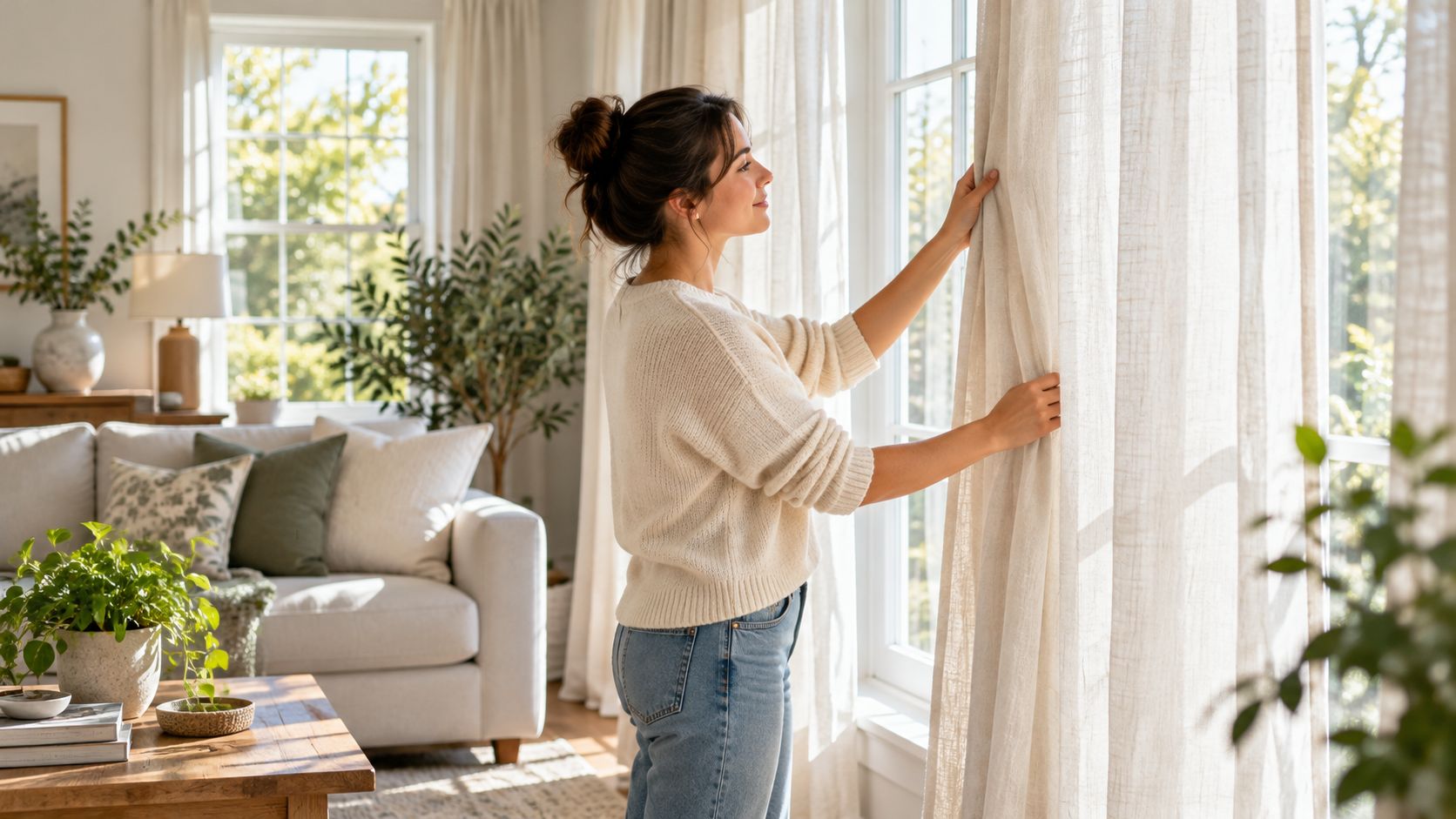
How Often Should You Wash Your Curtains?
Curtains can make a room feel warmer, softer and more complete, but they also collect dust, pollen, cooking odors and everyday household particles over time. Because they are often overlooked during regular cleaning, curtains can go for months without attention. The good news is that most curtains do not need to be washed every week.…
-
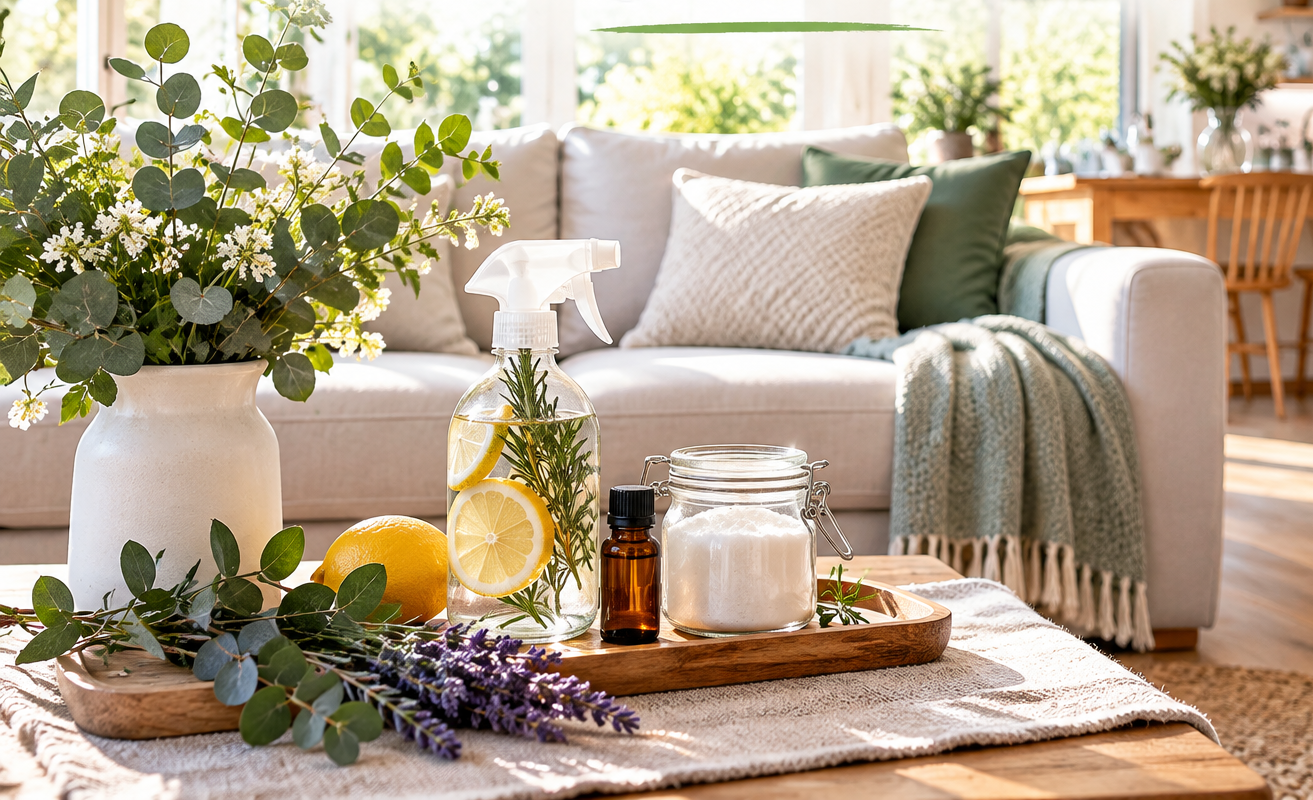
How to Keep Your Home Smelling Fresh Naturally
A fresh-smelling home can feel cleaner, calmer and more comfortable, but you do not need strong fragrances or complicated products to create that feeling. In many cases, the best results come from simple habits such as improving airflow, removing odor sources quickly and keeping fabrics and surfaces clean. The goal is not to cover unpleasant…
Start with Cleaning
How Often Should You Clean Your Bathroom?
A practical cleaning schedule for keeping your bathroom fresh, hygienic and easier to maintain.
How Often Should You Wash Your Curtains?
Simple guidance on when to wash curtains and how to keep them fresh between deeper cleanings.
Explore More Cleaning Guides
Browse more practical cleaning guides for keeping your home fresh, tidy and easier to maintain.
Indoor Plant Basics
Beginner-Friendly Indoor Plants for Busy People
Easy-care houseplants that are well suited to beginners and people with busy schedules.
Best Low-Light Indoor Plants for Beginners
Beginner-friendly plant ideas for rooms that receive less natural light.
Explore More Indoor Plant Guides
Browse more practical guides about choosing, placing and caring for indoor plants.
Home Organization Essentials
How to Organize a Small Kitchen
Practical storage and organization ideas to make a small kitchen easier to use and keep tidy.
How to Declutter Your Bedroom Step by Step
A simple step-by-step approach to remove clutter and create a calmer, more organized bedroom.
How to Organize a Small Bathroom Without Adding More Cabinets
Simple ways to organize a small bathroom using the space you already have, without adding more cabinets.
Home Care
Practical guides to help you care for furniture, surfaces and everyday areas of your home.
Simple DIY
Beginner-friendly DIY ideas and simple projects you can try around the home.
Organization
Practical organization ideas to reduce clutter and make better use of the space you have.
Home Decor
Simple decorating ideas to make your rooms feel more comfortable, balanced and inviting.
Explore More Home & Garden Guides
Discover practical tips for cleaning, organization, indoor plants, home care, decor and simple DIY projects.